
In ultrasonic cleaning, quality results depend on more than just cavitation energy and detergent strength. What happens after the wash cycle can significantly affect both operational cost and consistency. One of the most overlooked factors is detergent carryover, also known as drag-out.
Carryover occurs when residual chemistry clings to a part and gets transferred into the rinse stage. If it’s not controlled, it can degrade rinse water purity, increase detergent waste, and drive up both operating and disposal costs. Some cleaning systems don’t account for this issue in a meaningful way. At Zenith, we address it head-on with customized ultrasonic systems that actively reduce carryover through both hardware and part-handling.
How Carryover Impacts Ultrasonic Cleaning Systems
Carryover isn’t just a matter of a few drops of fluid. Depending on the detergent properties, part geometry, and handling process, it can introduce a measurable chemical load into the rinse tanks. Over time, carryover alters the rinse water chemistry, affecting not only the appearance and cleanliness of the part, but also the maintenance frequency and water consumption of the entire system.
Even in a well-built ultrasonic cleaning system, if carryover isn’t minimized, operators may need to constantly replenish rinse tanks to maintain water quality. That extra water has to be treated, heated, and eventually disposed of, raising costs across the board. And if rinse quality is compromised, downstream processes like drying or inspection may also suffer.
The good news? Carryover isn’t inevitable. It’s manageable with the right design.
Part Geometry, Orientation, and Handling Matter
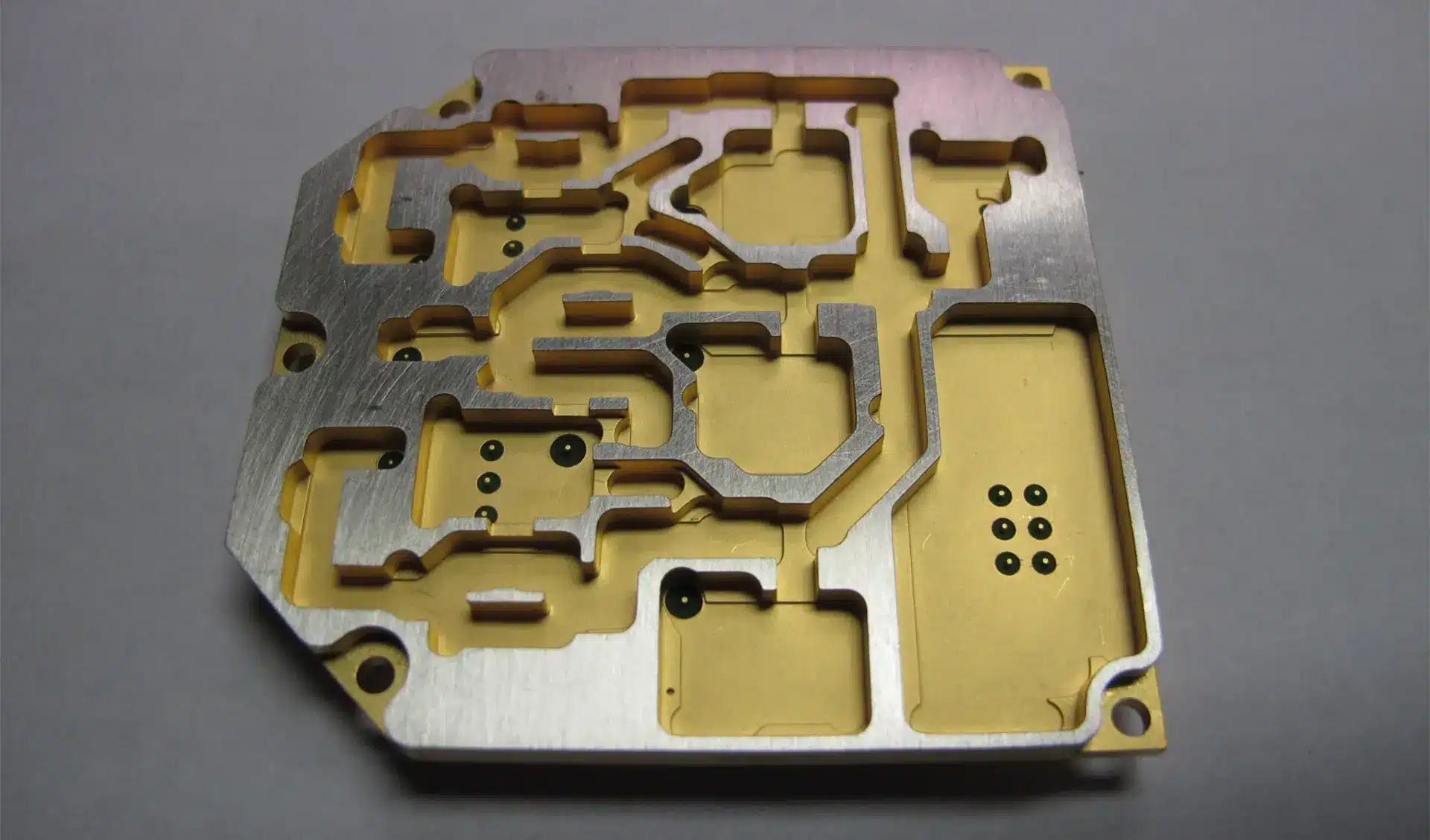
Some parts naturally retain more fluid than others. Cavities, blind holes, and tight gaps tend to trap detergent. If those parts are moved directly into the rinse stage, they bring that chemistry along. The material itself can also play a role. Hydrophilic surfaces may retain more solution, while rough or textured finishes offer more surface area for fluid to cling to.
When designing a custom ultrasonic cleaning system, Zenith engineers evaluate more than just part size and weight. We consider how the part holds fluid, how it should be oriented in the tank, and how long it should remain in place between stages to allow for better drainage or air blow-off. A flat part positioned vertically will drain far more efficiently than one laid flat and lifted out horizontally. Small changes can make a major difference in how much detergent ends up in your rinse tank. From the start of every project, we assess part geometry and orientation as part of system design rather than as an afterthought.
Mechanical Design Solutions to Reduce Carryover
While chemistry and part orientation are important, mechanical design plays an equally critical role in reducing carryover. Zenith systems are built with this interaction in mind. For instance, we often integrate detergent blow-off stations between wash and rinse stages. These stations use high-velocity air knives or compressed air to physically displace residual fluid before the part moves into the next tank.
In addition, tank layout and automation sequence matter. Systems can be designed with slight pauses, tilts, or lifts that allow fluid to drain before the next immersion. In some cases, introducing a drip tray or delay mechanism can reduce drag-out by giving parts a few extra seconds to shed detergent naturally.
Cost Implications of Carryover
Even if detergent carryover doesn’t cause quality issues immediately, it can have significant cost implications over time. First, it increases detergent consumption. You’ll find yourself replenishing the wash tank more frequently, not because of actual soil load, but because usable chemistry is being lost into the rinse stage.
Carryover also accelerates the need for rinse water replacement, especially in systems where water purity is critical. That generally means higher water usage, more frequent tank changes, greater energy use for heating or circulation, and potentially more wastewater to dispose of. In regulated environments, excess wastewater can incur fees. A system that appears efficient upfront can easily cross over to being costly down the line if carryover is not addressed in the design.
Zenith’s Approach to Carryover Reduction
At Zenith, we don’t treat detergent drag-out as a minor detail. We see it as a key factor that directly impacts cleaning outcomes, system longevity, and total cost of ownership. That’s why we approach every project with carryover in mind from the start.
We begin by evaluating the part geometry and how it interacts with fluid. Parts with recessed features, sharp angles, or blind holes are modeled and reviewed to determine how they’ll drain (or retain) chemistry between stages. This influences how we design the basket, how the part is positioned, and how transitions are timed within the system.
Next, we match the detergent chemistry to the surface behavior, considering how the solution wets the substrate and whether it’s likely to cling or bead off. These insights help guide not just chemical selection, but also physical interventions like dwell times, lifts, or blow-off stations.
Finally, we engineer the automation sequence and hardware to work with the part, not against it. That might mean a custom drip tray, an air knife positioned at a precise angle, or a slight tilt during lift-out to promote passive drainage. No single feature eliminates carryover, but a cohesive system designed with it in mind can reduce it dramatically. Learn more about our customizable Advantage Automation System and request a complimentary demo cleaning.
